
Streamlining Accessible Clinical Trial Design:
TrialTree
A robust, high quality clinical trial begins with careful and effective planning. For that reason, experts in clinical trial methodology often work with clinicians to ensure their trials are designed using best practices
To streamline the process of designing clinical research projects and to improve accessibility to methodological expertise, scientists at St. Joe’s Research Methodology Centre (RMC) have partnered to develop a new digital platform – one that will leverage years of knowledge and experience in clinical trial design.

Dr. Lawrence Mbuagbaw (pictured left) is the director of the RMC. As a research methods scientist, he has supported researchers at St. Joseph’s Healthcare Hamilton for over a decade. Now, Dr. Mbuagbaw is making the process of designing clinical research projects easier than ever.
His new interactive platform – known as TrialTree – walks users through the process of developing clinical trials, from helping them create their initial research question to providing checklists for funding applications and ethics approvals.
“TrialTree was born from over ten years of hands-on experience,” Dr. Mbuagbaw said. “It’s built to help anyone designing a clinical trial do it with confidence and clarity.”
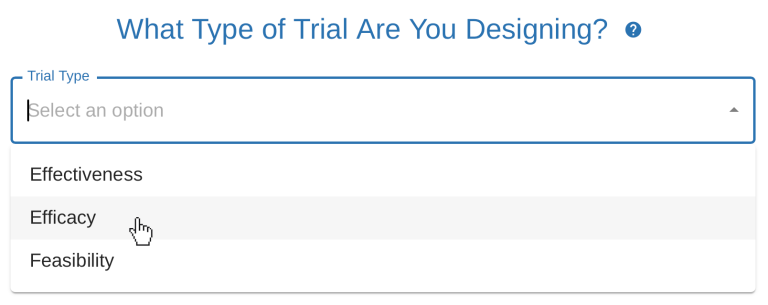
TrialTree launched in early 2025 with the goal of making trial design more accessible for all. It’s designed for researchers with any level of experience, from undergraduate students to seasoned clinicians. Users don’t have to be familiar with clinical trial methodology to use TrialTree, as the platform guides them through the steps of their research projects, displaying multiple layouts for people to view which steps of the process they have completed, and which ones are remaining. Additionally, each step of building a research project on TrialTree includes a tip that provides additional information on each parameter.
Going Global
While Dr. Mbuagbaw’s experience at St. Joe’s helped inform TrialTree, it’s not only for the St. Joe’s community to use. Researchers from across the world can create an account and manage their research trials through this platform. TrialTree is free to use and anyone from students to seasoned researchers can sign up, regardless of their credentials. Furthermore, TrialTree users can create multiple research projects at once on the platform and manage each of them individually.
After creating a free account on TrialTree, users can add research projects. They have the option of adding other TrialTree users to each project as collaborators, allowing researchers to work together seamlessly. On the TrialTree dashboard, researchers can see an overview of all their projects at once.
With TrialTree, users can build a clinical trial that isn’t just scientifically rigorous, but ethically sound as well. Users can view different ethics board considerations, including that of the Hamilton Integrated Research Ethics Board (HiREB), to ensure their research projects meet ethical standards. TrialTree also provides users with equity questions as well as bespoke checklists that make trial design more transparent.
“TrialTree introduces users to key tools and best practices that guide the development of high-quality clinical trials from the ground up,” said Dr. Mbuagbaw. “It helps researchers through the whole process, from the first step to the last.”
TrialTree also includes an accompanying wiki that functions as an interactive textbook, defining and describing all elements of trial design. You can easily jump from one page to another through the various hyperlinks that are integrated into the wiki. The wiki pages include a bibliography wherever applicable, which includes links to the cited materials for users to view for more information. Anyone can access this wiki, even if they don’t have a TrialTree account, making it a valuable resource for not only researchers but students and teachers as well.
Dr. Mbuagbaw is committed to updating TrialTree over time to better meet its users’ needs. Users can complete a survey about their experience using the TrialTree platform, including the wiki. Through this survey, researchers can make specific suggestions about what features they would like to see in the next iteration.
Access TrialTree and the TrialTree wiki to start building your research projects!

Development & Funding
TrialTree and the TrialTree Wiki were built by Dr. Lawrence Mbuagbaw with the technical support of the mHealth and eHealth Development and Innovation Centre (MEDIC) at Mohawk College’s IDEAWORKS innovation hub.
The development of TrialTree was partially supported by St. Joe’s Research and Innovation Collaboration Grant.